
Anti-HIV p24 Monoclonal Antibody (Coat)
High-affinity monoclonal capture antibody targeting HIV-1 core p24 antigen with zero cross-reactivity with other retroviral proteins.
Technical Datasheet & Analytical Specifications
Biological Target Biology & Epitope Mechanism
Engineered recombinant chimeric antigens and high-affinity monoclonal antibodies targeting immunodominant envelope domains (HIV-1 gp41, HIV-2 gp36) and core capsid antigen (p24). Specifically formulated for 3rd generation double-antigen sandwich and 4th generation Antigen-Antibody combo assays with sub-picogram p24 detection sensitivity.
Industrial Wet-Lab SOP & Dispensing Formulation
1.0 - 1.4 mg/mL in 10 mM Sodium Phosphate (pH 7.4). Dispense rate: 1.0 µL/cm.
Titrate 40nm gold sol to pH 8.0 - 8.3. Optimal loading: 8 - 12 µg/mL OD520. Post-block with 0.5% BSA + 0.1% PEG-20000.
1% BSA + 0.1% Tween-20 + 2% Trehalose in 10 mM Phosphate Buffer (pH 7.4).
Drying at 37°C for 3 hours under RH < 20% in Class 10,000 cleanroom humidity chambers.
Matched Reagent Pairing & Assay Architecture
Analytical Sensitivity & Performance Benchmarks
Lot-Specific Certificate of Analysis (CoA) Guarantee
Every order includes comprehensive analytical documentation including SDS-PAGE densitometry scans, ELISA binding curves, protein concentration (BCA/A280), and sterility testing reports. Manufactured under rigorous batch quality assurance protocols.
Technical & Sourcing FAQ for Anti-HIV p24 Monoclonal Antibody (Coat)
Does PVBSP105 detect both HIV-1 Group M and non-M variants?
Yes. Recombinant sequences incorporate conserved epitopes covering HIV-1 Group M (Subtypes A, B, C, D, E, F, G), Group O, and HIV-2 isolates.
Is PVBSP105 validated for 4th Generation Ag/Ab combo rapid tests?
Yes. When paired with PVBSP105/PVBSP106 anti-p24 antibody pairs, it allows simultaneous detection of acute HIV infection (p24 antigen) and seroconversion antibodies.
What purity guarantee is provided with each lot?
Guaranteed >95% purity verified by analytical SDS-PAGE densitometry and SEC-HPLC, with lot-specific Certificate of Analysis included with every shipment.
What documentation is available for CDSCO Class D regulatory submissions?
Comprehensive Technical Dossiers, manufacturing flowcharts, stability study summaries, and batch CoA records are provided under CDA/MTA agreements.
B2B Evaluation Samples & Bulk PO
Order 1mg – 5mg test vials for rapid assay optimization or request bulk commercial lot reservations with full Certificate of Analysis.
Related Diagnostic Reagents & Matched Antibodies
HIV 1 Coat Recombinant Antigen
High-affinity recombinant HIV-1 envelope antigen optimized for solid-phase coating in rapid lateral flow cassettes and ELISA microplates.
HIV 2 Coat Recombinant Antigen
Specifically engineered HIV-2 recombinant antigen for differential and combined diagnostic screening kits.
Technical Formulation Guides for HIV Assays
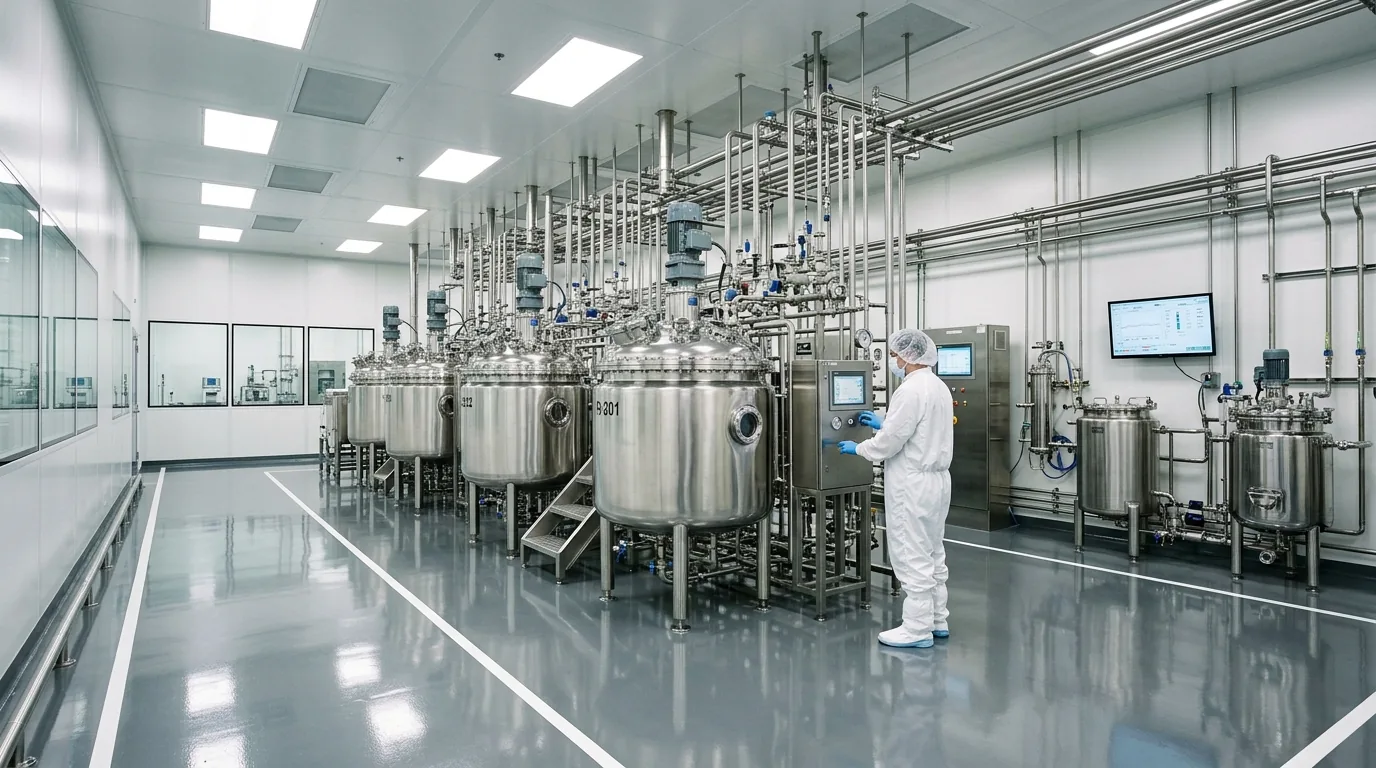
Custom Rabbit Monoclonal vs. Mouse Hybridoma Antibody Production in India: Affinity, QC & Scale-Up Guide
When mouse hybridomas fail to yield picomolar affinity against small haptens, phospho-epitopes, or conserved cardiac markers like cTnI, custom rabbit monoclonal antibodies close the sensitivity gap. Here is our bench-level guide to custom monoclonal antibody development, 8-point QC acceptance criteria, and commercial scale-up in India.
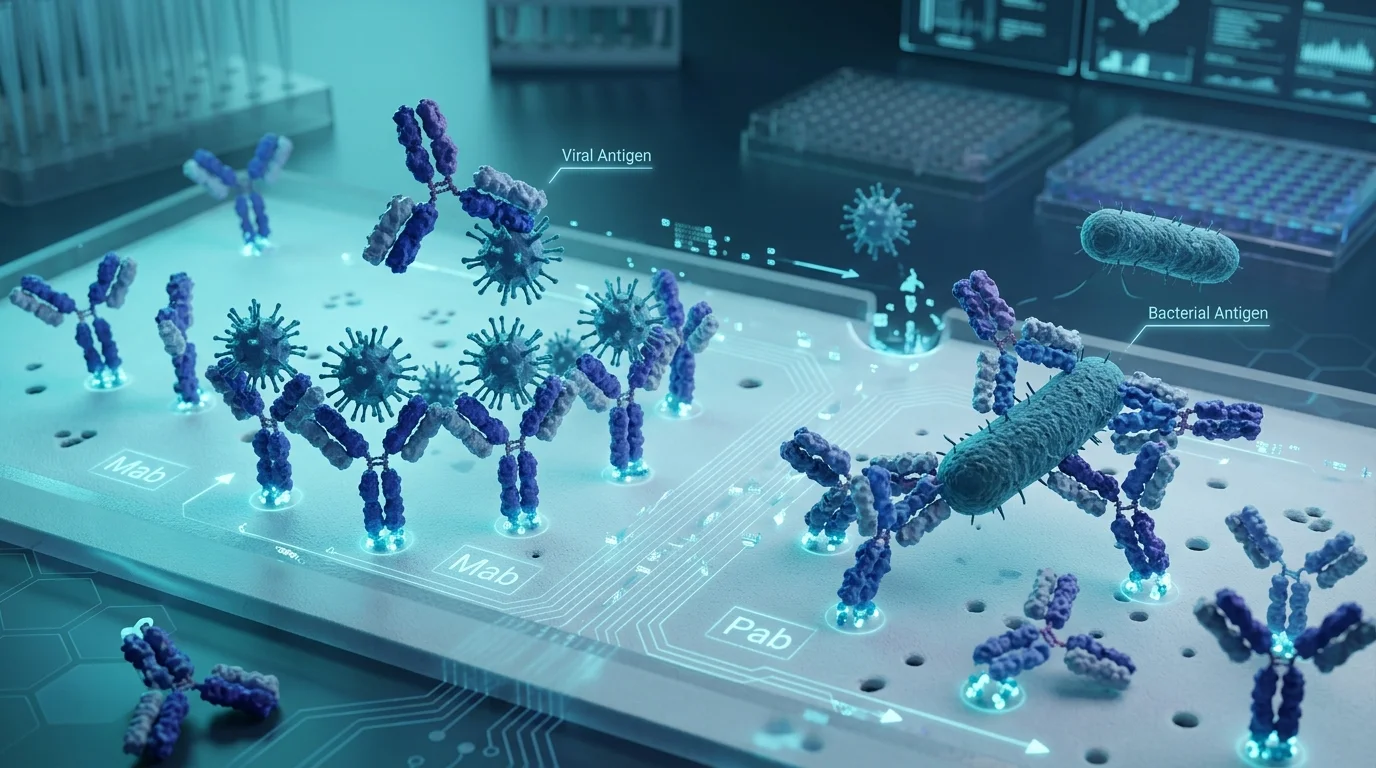
India Custom Antibody Service Market & Custom Assay Development: How to Buy Monoclonal Antibodies Online (2026 Buyer Guide)
Why Indian IVD kit manufacturers are shifting away from 4-week US/EU imports toward domestic custom antibody production and turnkey custom assay development in Bangalore. Complete 2026 breakdown of India custom antibody market economics, landed cost savings, online 1mg–5mg sample ordering, and CDSCO/ISO 13485 CoA verification.
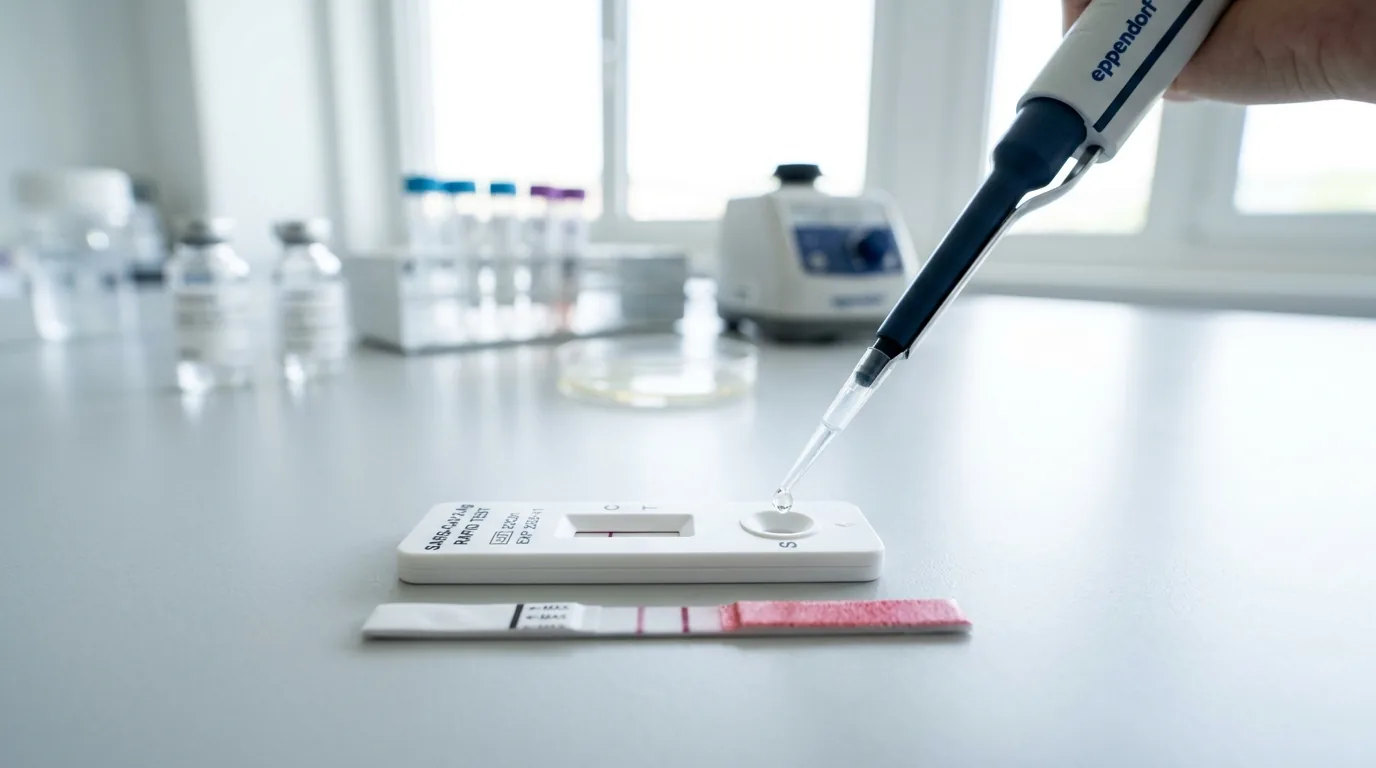
Solving High Background Noise and False Positives in Lateral Flow Immunoassays
Stop rewriting your blocking buffer recipe every time a test strip streaks pink. A frequent root-cause pattern across assay tech transfers traces back to dispensing humidity spikes, over-salted gold conjugates, or mismatched capillary flow rates.