
Mouse IgG (Conjugation Grade)
Purified mouse polyclonal IgG specially pre-qualified for colloidal gold nanoparticle conjugation to create reliable, distinct Control (C) lines in lateral flow cassettes.
Technical Datasheet & Analytical Specifications
Biological Target Biology & Epitope Mechanism
High-purity diagnostic-grade biological reagent manufactured under stringent ISO 13485:2016 cleanroom quality controls. Optimized for stoichiometric solid-phase immobilization and high-yield bioconjugation in diagnostic immunoassays and molecular workflows.
Industrial Wet-Lab SOP & Dispensing Formulation
0.8 - 1.2 mg/mL in 10 mM Sodium Phosphate (pH 7.4). Dispense rate: 1.0 µL/cm on nitrocellulose.
Adjust 40nm colloidal gold to pH 8.0 - 8.4 using 0.1M K2CO3. Conjugate at 8 - 10 µg protein/mL sol. Post-block with 0.5% BSA.
1% BSA + 0.05% Tween-20 + 1% Trehalose in 10 mM PBS (pH 7.4).
Strip drying at 37°C for 2 - 3 hours at <20% relative humidity.
Matched Reagent Pairing & Assay Architecture
Analytical Sensitivity & Performance Benchmarks
Lot-Specific Certificate of Analysis (CoA) Guarantee
Every order includes comprehensive analytical documentation including SDS-PAGE densitometry scans, ELISA binding curves, protein concentration (BCA/A280), and sterility testing reports. Manufactured under rigorous batch quality assurance protocols.
Technical & Sourcing FAQ for Mouse IgG (Conjugation Grade)
What applications are recommended for Mouse IgG (Conjugation Grade) (PVBSP5004)?
Mouse IgG (Conjugation Grade) (PVBSP5004) is optimized for Colloidal Gold Coupling for Rapid Test Control Line (C Line). It is validated for both rapid point-of-care test cassettes and microplate laboratory analyzers.
What buffer formulation is supplied with PVBSP5004?
Supplied in carrier-free Phosphate Buffered Saline (PBS, pH 7.4) with 0.05% Sodium Azide preservative. Amine-free and glycerol-free formulations available on request for covalent conjugation.
How do I request an evaluation sample of PVBSP5004?
1mg to 5mg evaluation sample vials are available for assay calibration and R&D verification before committing to commercial bulk supply. Inquire via WhatsApp (+91 95554 22455) or email.
What is the delivery timeline for delivery across India?
Dispatched directly from Electronic City, Bangalore in temperature-controlled cold-chain packaging (Blue Gel / Dry Ice), reaching all major Indian biotech hubs in 24–48 hours.
B2B Evaluation Samples & Bulk PO
Order 1mg – 5mg test vials for rapid assay optimization or request bulk commercial lot reservations with full Certificate of Analysis.
Related Diagnostic Reagents & Matched Antibodies
Anti-Mouse IgG (Goat/Rabbit) (Coat)
Affinity-purified secondary antibody sprayed at the Control Line (C-line) on nitrocellulose membranes to capture mouse conjugate and validate test flow.
Technical Formulation Guides for Control Line / Calibrator Assays
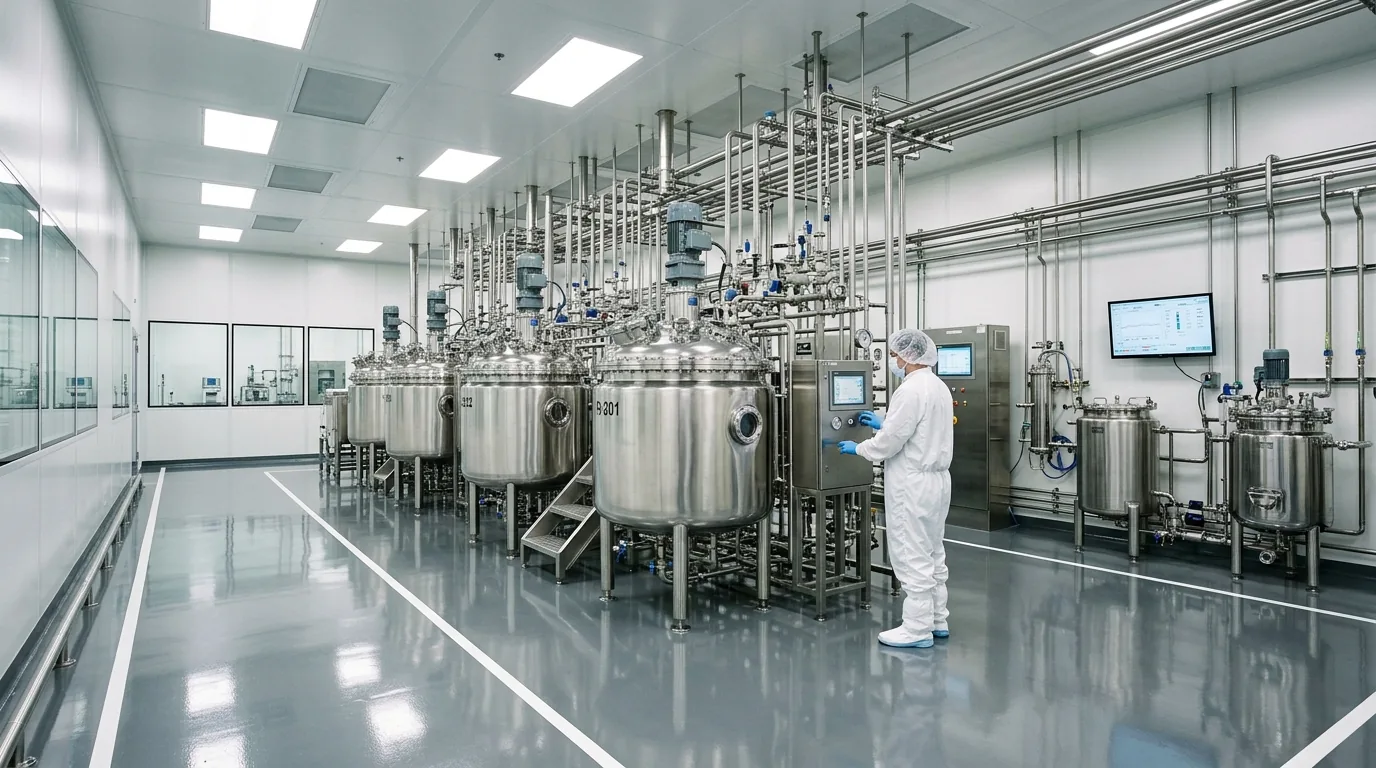
Maximizing Monoclonal Antibody Titers in Fed-Batch CHO Cell Bioreactors
Pushing fed-batch CHO-K1 titers past 8 g/L requires walking a tightrope between peak viable cell density and toxic lactate or ammonia accumulation. Learn how biphasic hypothermic temperature shifts at Day 5, stoichiometric bolus-to-continuous feed control, and targeted copper/galactose trace feeds preserve Fc N-glycan quality across 2,000 L single-use and stainless-steel GMP production campaigns.
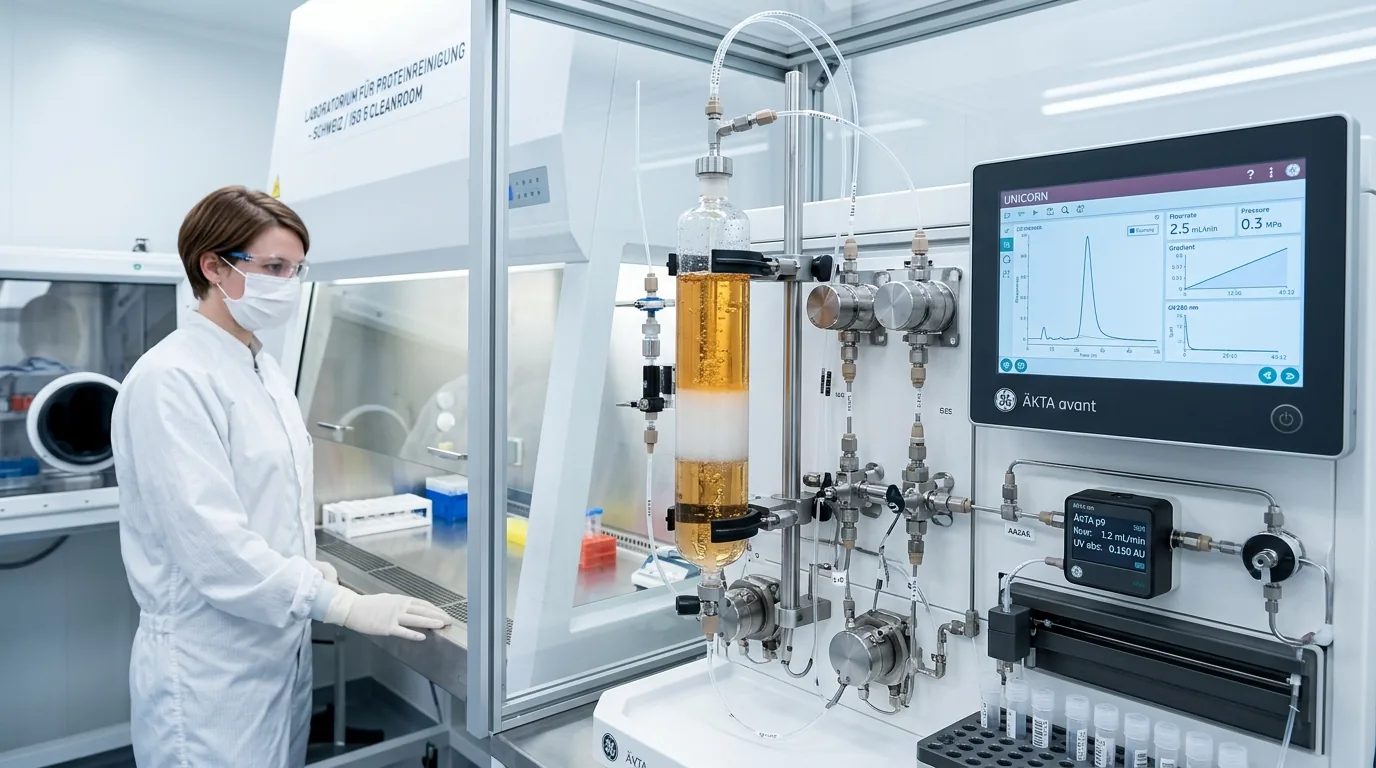
Custom Rabbit Polyclonal Antibody Production in India: 45-Day vs. 70-Day Immunization Protocols & Format Selection
Are custom antibodies available in both monoclonal and polyclonal formats—and when does a 45-day custom rabbit polyclonal antibody beat a 16-week monoclonal build? Complete bench protocols for NZW rabbit immunization schedules, antigen-affinity purification, cross-adsorption, and IVD control-line qualification.
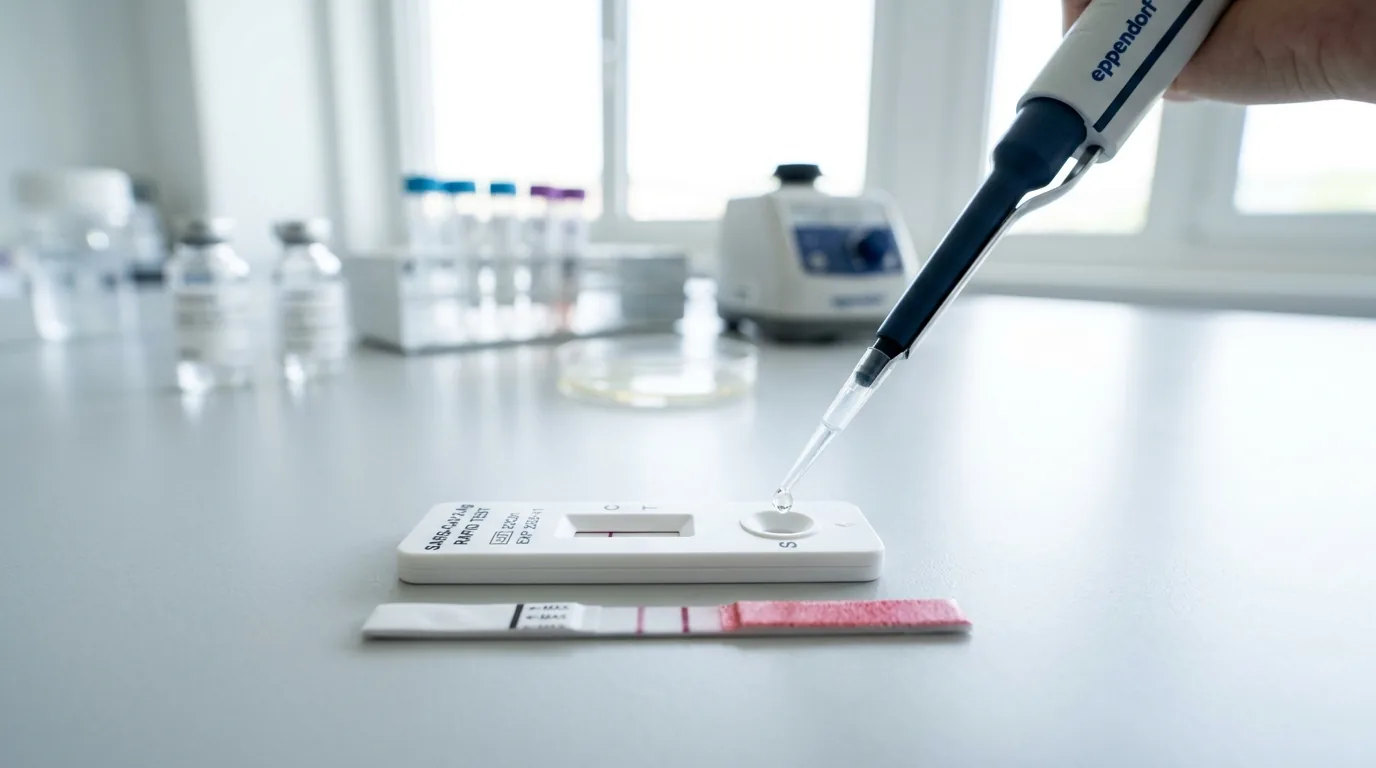
Solving High Background Noise and False Positives in Lateral Flow Immunoassays
Stop rewriting your blocking buffer recipe every time a test strip streaks pink. A frequent root-cause pattern across assay tech transfers traces back to dispensing humidity spikes, over-salted gold conjugates, or mismatched capillary flow rates.